
Scalable ADC Development Built for CMC Success
Using emerging conjugation techniques such as our enzymatic glycoengineering (EG) platform for site-specific conjugation, we deliver high quality materials to support your projects.
To Support a full range of conjugation strategies, we also employ traditional chemistries such as cysteine, lysine, and click chemistries. Coupled with our platform downstream purification (DSP) process tailored for ADCs manufacturing, we deliver reproducible, high-quality material for toxicology, preclinical, and IND-enabling studies.
Pain Points in ADC Development
Most bioconjugate development bottlenecks occur during conjugation and purification. Traditional conjugation methods often result in heterogeneous products, variable DARs, and purification challenges. Xcellon reduces this risk by integrating site-specific conjugation with a proven ADC DSP platform, ensuring consistent quality and easier scale-up.
What We Offer
- ADC developability assessment
- High throughput conjugation optimization
- Site-specific conjugation via EG platform
- Integrated post conjugation purification
Capabilities
- Cytiva ÄKTA Avant / ÄKTA Pilot
- Agilent Q-TOF LC/MS
- Agilent HPLC
- Waters UPLC
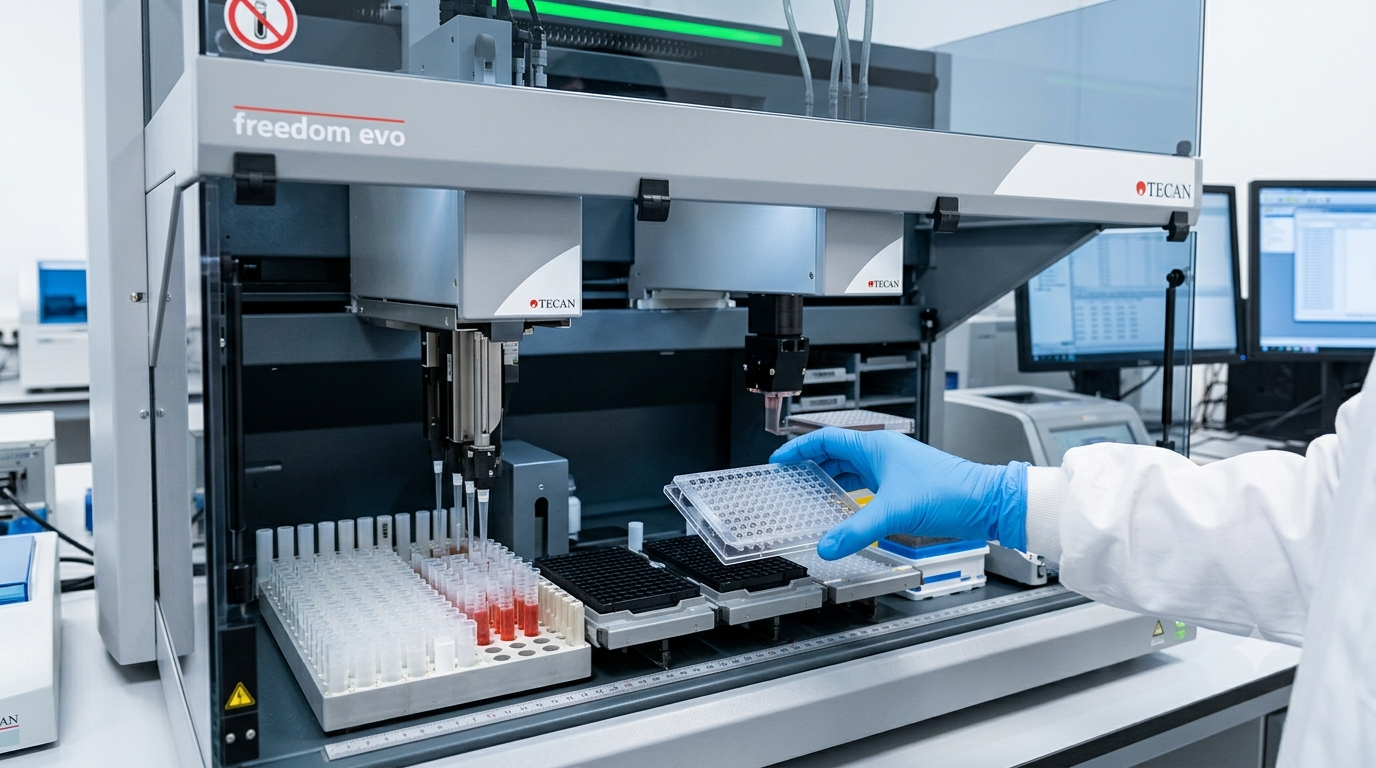
- TECAN liquid handler
- Sartorius Octet
Optimized workflows established at this stage feed directly into bioprocess development, where upstream and purification strategies are further refined for seamless GMP transfer.
Advance your ADC from lead to IND with confidence
Accelerate your ADC journey from lead candidate to IND with precision and speed. Leverage expert guidance to de-risk development and unlock clinical success.
FAQs for ADC & Bioconjugate Development
We combine the precision of our site-specific glycoengineering platform with the flexibility to apply other conjugation chemistries, all integrated into a platform DSP process proven to deliver homogeneous, scalable ADCs.
Yes, we generate medium-scale conjugates suitable for toxicology, pharmacology, and IND submissions.
Our glycoengineering platform remodels the Fc glycan to create uniform conjugation sites, enabling precise DAR control (2, 4, 6, or 8) with minimal aggregation. This consistency reduces variability across batches and lowers regulatory risk.
